
Professional athletes are admired for their strength, speed, skill, and endurance. But becoming a top athlete isn’t just about talent – it requires dedicated training and smart recovery. Whether they play soccer, track and field, basketball, or another sport, athletes follow structured plans designed to help their bodies perform at the highest level while staying healthy.
In this article, we explain how professional athletes train and recover in simple English. You’ll learn about workouts, nutrition, rest, and recovery strategies that help athletes stay at the top of their game. For more insights into sports performance and match understanding, check out prono verite.
Why Training and Recovery Matter
Training builds physical capability, while recovery helps the body repair and adapt. Without both, athletes cannot improve, perform consistently, or avoid injuries.
Training helps:
- Build strength and endurance
- Improve technique and coordination
- Increase speed and agility
Recovery helps:
- Repair muscles
- Reduce fatigue
- Prevent injuries
- Improve performance over time
Balance between training and recovery is key to long-term success.
What Professional Training Looks Like
Professional athletes follow specific and consistent routines that focus on several components of fitness.
1. Strength Training
Strength training helps athletes become more powerful and injury-resistant.
Common strength routines include:
- Weight lifting (squats, deadlifts, presses)
- Bodyweight exercises (push-ups, pull-ups)
- Plyometrics (jump training)
Strength training builds muscle, support joints, and improves explosiveness.
2. Endurance Training
Endurance training improves stamina.
Common methods include:
- Long runs
- Cycling
- Interval training
- Swimming
Athletes need endurance for longer competitions and consistent performance.
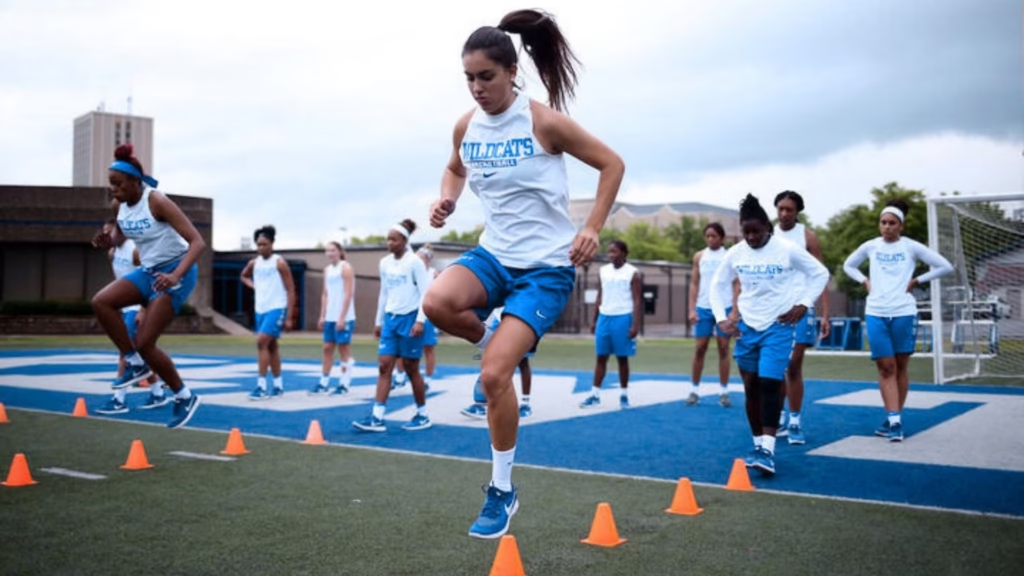
3. Speed and Agility Work
Speed and agility allow quick movement.
These workouts include:
- Sprints
- Ladder drills
- Cone drills
- Change-of-direction training
These exercises sharpen reflexes and movement efficiency.
You Can Also Read: basic rules popular sports
4. Sport-Specific Skill Training
Athletes practice skills related to their sport.
Examples include:
- Dribbling for basketball
- Passing and shooting for soccer
- Hitting for tennis
- Blocking for volleyball
Skill training builds confidence and technical mastery.
5. Flexibility and Mobility
Flexibility helps prevent injuries and improves movement.
These exercises include:
- Stretching
- Yoga
- Dynamic mobility drills
Flexible muscles move more easily and recover faster.
6. Warm-Up and Cool-Down Sessions
Warm-ups prepare the body; cool-downs help it return to rest.
A warm-up may include:
- Light jogging
- Muscle activation
- Dynamic stretches
A cool-down may include:
- Slow movement
- Gentle stretching
- Breathing exercises
Proper warm-ups and cool-downs reduce the risk of strain.
Nutrition: Fueling the Athlete’s Body
What athletes eat matters just as much as how they train.
7. Balanced Meals for Performance
Athletes need more calories than average people because of high activity levels.
A balanced meal includes:
- Carbohydrates for energy
- Proteins for muscle repair
- Healthy fats for long-term fuel
- Vitamins and minerals for health
Good nutrition supports training and recovery.
8. Hydration
Hydration keeps the body functioning well.
Athletes drink:
- Water
- Electrolyte drinks
- Hydrating foods
Proper hydration prevents cramps and improves focus.
9. Pre- and Post-Workout Nutrition
Before training:
- Eat easily digestible carbs and some protein
After training: - Include protein and carbs to help recovery
This helps the body repair and rebuild faster.
Rest: A Key to Success
Rest isn’t lazy — it’s necessary.
10. Importance of Sleep
Sleep is when the body repairs itself most.
During sleep:
- Muscles rebuild
- Hormones regulate
- Energy restores
Most pro athletes aim for 7–9 hours of sleep per night.
11. Rest Days
Athletes schedule days off from intense training.
Rest days:
- Help avoid burnout
- Give muscles time to heal
- Improve motivation
Rest days are part of smart planning.
Smart Recovery Techniques
Recovery goes beyond sleep and rest.
12. Massage and Manual Therapy
Massage helps muscle relaxation.
Benefits include:
- Better blood flow
- Reduced tension
- Faster muscle repair
Many athletes work with physical therapists.
13. Ice Baths and Contrast Baths
Cold therapy helps reduce swelling.
Ice baths:
- Reduce inflammation
- Ease soreness
Contrast baths (hot and cold) improve circulation.
14. Foam Rolling
Foam rolling helps ease tight muscles.
It:
- Releases muscle knots
- Improves flexibility
It’s a common part of recovery routines.
15. Compression Gear
Compression clothing supports recovery.
Benefits include:
- Better blood flow
- Reduced muscle fatigue
Many athletes use compression sleeves or socks.
16. Stretching and Mobility Work
Stretching helps maintain the range of motion.
Post-exercise stretching:
- Reduces stiffness
- Improves long-term flexibility
Mobility drills keep joints healthy.
Mental Training and Recovery
The mind matters just as much as the body.
17. Mental Conditioning
Athletes use techniques such as:
- Visualization
- Goal setting
- Mindfulness
- Focus training
These practices help confidence and performance under pressure.
18. Managing Stress
Pro athletes face pressure from competition and expectations.
Stress-relief strategies include:
- Relaxation routines
- Hobbies
- Restful sleep
A calm mind supports better performance.
Injury Prevention and Care
Staying healthy is crucial.
19. Regular Health Checks
Athletes see doctors and trainers frequently.
These checkups:
- Spot early signs of injury
- Track performance trends
Regular checks prevent major problems.
20. Listening to the Body
Even pro athletes must avoid overtraining.
Signs to watch for:
- Persistent pain
- Fatigue that doesn’t improve
- Poor performance
Taking breaks prevents long-term issues.
Training Cycles: Planning Smartly
Seasonal or annual plans help athletes peak at the right time.
Training cycles include:
- Base training for general fitness
- Build phase for sport-specific training
- Peak phase for competition
- Off-season for rest and maintenance
These cycles balance intensity and recovery.
Team and Individual Support
Athletes rarely train alone.
Support teams may include:
- Coaches
- Nutritionists
- Physical therapists
- Mental trainers
This teamwork improves performance and well-being.
How Amateurs Can Use Pro Training Tips
You don’t have to be a pro to benefit.
Tips for everyday training:
- Schedule rest days
- Eat balanced meals
- Sleep well
- Warm up before exercise
- Cool down after workouts
Small habits build healthy routines.
Bringing It All Together
Training and recovery are two sides of the same coin. While training builds strength and skill, recovery makes sure the body can continue improving without breaking down. Professional athletes achieve peak performance through careful planning, smart nutrition, proper rest, and consistent recovery habits.
For more insights into sports strategy, match knowledge, and performance trends, visit prono verite.
Final Thoughts
Professional athletes dedicate years to mastering their sport, but their success depends on more than physical ability. Smart training, proper recovery, good nutrition, and mental strength all work together to create champions. Whether you’re an aspiring athlete or a fan, understanding these elements helps you appreciate the discipline and science behind elite performance.
Good training builds strength – smart recovery makes it last.