
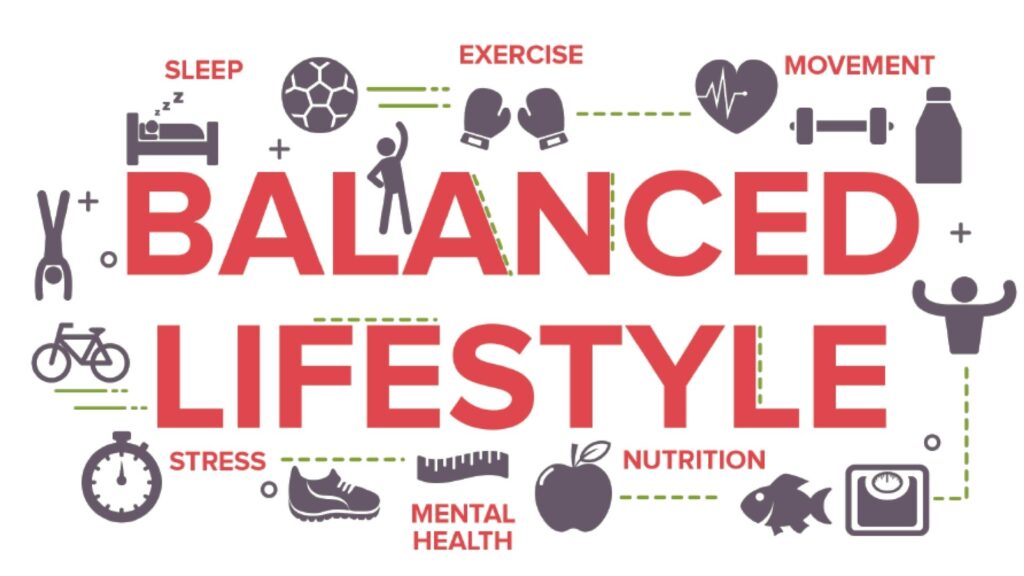
In today’s fast-paced world, many people feel overwhelmed by work, responsibilities, and constant digital distractions. As a result, health, relationships, and personal happiness often take a back seat. This is where the concept of a balanced lifestyle becomes increasingly important.
But what does a balanced lifestyle really mean, and why does it matter so much? In this article, we’ll explore the meaning of a balanced lifestyle, its key components, and how it positively impacts both physical and mental well-being.
What Is a Balanced Lifestyle?
A balanced lifestyle is about maintaining harmony between different areas of life. It means giving proper attention to your physical health, mental well-being, work, relationships, and personal growth—without letting one area overpower the others.
A balanced lifestyle does not mean perfection. Instead, it focuses on making consistent, healthy choices that support long-term well-being while allowing flexibility for life’s demands.
Key Components of a Balanced Lifestyle
Achieving balance involves several interconnected areas. When these areas support each other, the overall quality of life improves.
1. Physical Health
Physical health is a foundation of balance. It includes:
- Eating nutritious food
- Staying physically active
- Getting enough sleep
- Managing stress levels
When your body feels strong and energized, it becomes easier to focus, stay motivated, and handle daily challenges.
2. Mental and Emotional Well-Being
Mental health is just as important as physical health. Emotional balance involves:
- Managing stress effectively
- Practicing mindfulness or relaxation
- Expressing emotions in healthy ways
- Seeking help when needed
Ignoring mental well-being can lead to burnout, anxiety, and emotional exhaustion over time.
3. Work–Life Balance
A balanced lifestyle includes setting boundaries between work and personal life. While work is important, overworking can negatively impact health and relationships.
Healthy work–life balance means:
- Taking regular breaks
- Avoiding excessive screen time
- Making time for hobbies and rest
Finding balance improves productivity while preventing burnout.
4. Social Relationships
Strong relationships contribute significantly to happiness and emotional stability. Spending time with family, friends, and loved ones provides:
- Emotional support
- A sense of belonging
- Opportunities for connection and joy
Maintaining healthy relationships is a vital part of a balanced life.
5. Personal Growth and Purpose
Personal growth helps individuals feel fulfilled and motivated. This may include:
- Learning new skills
- Setting personal goals
- Practicing self-reflection
- Exploring interests and passions
Many people turn to educational and lifestyle platforms such as Pronoverite to gain insights into personal development and balanced living.
Why a Balanced Lifestyle Matters
Living a balanced lifestyle has long-term benefits that extend far beyond daily comfort.
Improves Physical Health
Balanced habits reduce the risk of:
- Heart disease
- Obesity
- Fatigue
- Weakened immunity
Proper nutrition, movement, and rest allow the body to function efficiently and recover naturally.
Enhances Mental Clarity and Focus
When life feels balanced, stress levels decrease. This leads to:
- Better concentration
- Improved decision-making
- Emotional stability
A calm and focused mind helps individuals perform better in both personal and professional settings.
Boosts Happiness and Life Satisfaction
Balance allows time for activities that bring joy and meaning. People who maintain balance often feel:
- More content
- Less overwhelmed
- Emotionally fulfilled
Happiness is not about doing more-it’s about doing what truly matters.
Prevents Burnout
Burnout is a common result of prolonged stress and imbalance. A balanced lifestyle encourages rest, self-care, and realistic expectations, helping prevent exhaustion and mental fatigue.
Supports Long-Term Success
Sustainable success depends on health and well-being. Balance ensures that progress is steady and long-lasting, rather than short-lived and draining.
How to Build a Balanced Lifestyle
Creating balance doesn’t require drastic changes. Small, consistent steps can make a big difference.
- Prioritize sleep and hydration
- Schedule time for physical activity
- Limit unnecessary screen time
- Practice mindfulness or relaxation
- Set clear work boundaries
- Make time for relationships
Balance is personal-what works for one person may not work for another. The goal is to find a routine that supports your needs and values.
Common Myths About a Balanced Lifestyle
- Myth: Balance means equal time for everything
Truth: Balance means prioritizing what matters most at different times. - Myth: Balanced living is time-consuming
Truth: Small habits can create meaningful balance. - Myth: Only people with free time can live balanced lives
Truth: Balance is about choices, not free time.
Final Thoughts
A balanced lifestyle is essential for maintaining health, happiness, and long-term well-being. It allows individuals to navigate life’s responsibilities while still caring for their body, mind, and relationships.
By focusing on balance rather than perfection, you can create a lifestyle that supports both success and inner peace. Small, mindful changes today can lead to a healthier and more fulfilling tomorrow.