
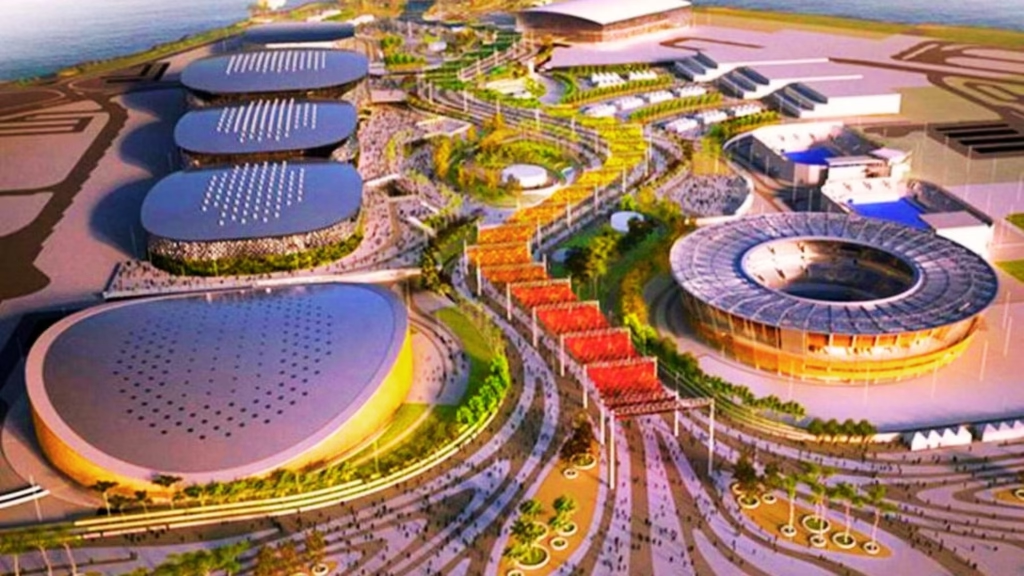
Major sports tournaments like the World Cup, Olympics, Grand Slams, and continental championships attract millions of fans worldwide. While fans enjoy the matches, very few see the massive planning and organization happening behind the scenes. Organizing a large sports tournament is a complex process that takes years of preparation, coordination, and discipline.
Understanding how major sports tournaments are organized helps fans appreciate the effort required to deliver smooth, fair, and exciting competitions. In this article, we explain the process in simple English, step by step. For more sports insights and match understanding, you can also explore prono verite.
Why Organizing Major Sports Tournaments Is Complex
Large tournaments involve many moving parts.
Organizers must manage:
- Teams and athletes
- Venues and schedules
- Officials and referees
- Media and broadcasting
- Security and logistics
Even small mistakes can affect the entire event.
Step 1: Choosing the Host Country or City
The first step is selecting a host.
How hosts are chosen:
- Countries or cities submit bids
- Sports governing bodies review proposals
- Factors like infrastructure, safety, and budget matter
Winning the bid is often decided years in advance.
Step 2: Role of Governing Bodies
Every major sport has a governing body.
Examples include:
- FIFA for football
- IOC for the Olympics
- ICC for cricket
These organizations set rules, approve schedules, and ensure fairness.
Step 3: Planning the Tournament Structure
Organizers design the competition format.
Common formats include:
- Group stage followed by knockouts
- League-style tournaments
- Single-elimination events
The format depends on the sport and number of teams.
Step 4: Scheduling Matches
Scheduling is critical.
Organizers consider:
- Team rest days
- Travel time
- Broadcast timing
- Weather conditions
A fair schedule ensures equal rest and recovery.
Step 5: Selecting and Preparing Venues
Venues must meet strict standards.
Preparation includes:
- Stadium construction or renovation
- Seating and facilities
- Lighting and technology upgrades
Venues must be ready well before the tournament begins.
Step 6: Infrastructure and Transportation
Smooth transport is essential.
Organizers plan:
- Team travel
- Fan transportation
- Airport and road access
Poor logistics can disrupt the entire event.
Step 7: Team Qualification and Registration
Teams earn their place.
Qualification involves:
- Regional tournaments
- Rankings
- Performance standards
Once qualified, teams register players and staff officially.
Step 8: Officials and Referees
Fair play requires trained officials.
Organizers:
- Select qualified referees
- Provide training and briefings
- Ensure rule consistency
Officials play a key role in match fairness.
You Can Also Read: fitness-nutrition-and-discipline-in-sports
Step 9: Rules, Regulations, and Fair Play
Clear rules guide the competition.
These rules cover:
- Match duration
- Scoring systems
- Discipline and penalties
- Player eligibility
Consistency ensures fairness for all teams.
Step 10: Security and Safety Planning
Safety is a top priority.
Security planning includes:
- Crowd control
- Emergency response
- Athlete protection
Major events work closely with local authorities.
Step 11: Medical and Health Services
Health support is essential.
Medical teams handle:
- On-field injuries
- Emergency care
- Health screenings
Athlete safety comes first.
Step 12: Accommodation and Facilities
Teams need comfortable stays.
Organizers arrange:
- Hotels
- Training facilities
- Recovery areas
Comfort helps athletes perform better.
Step 13: Broadcasting and Media Coverage
Media connects fans worldwide.
Organizers manage:
- TV broadcasting rights
- Live streaming
- Press access
Broadcast revenue supports the tournament.
Step 14: Ticketing and Fan Experience
Fans are central to tournaments.
Planning includes:
- Ticket sales systems
- Seating arrangements
- Fan zones and entertainment
A good fan experience builds global excitement.
Step 15: Sponsorship and Funding
Major tournaments require funding.
Funding comes from:
- Sponsors
- Broadcasting rights
- Ticket sales
Sponsors help cover operational costs.
Step 16: Technology and Innovation
Technology improves fairness and experience.
Examples include:
- Video review systems
- Digital ticketing
- Performance tracking
Technology supports accuracy and engagement.
Step 17: Opening and Closing Ceremonies
Ceremonies create global appeal.
They:
- Showcase culture
- Celebrate athletes
- Mark tournament milestones
Ceremonies add prestige and excitement.
Step 18: Managing Unexpected Challenges
Flexibility is crucial.
Challenges may include:
- Weather issues
- Injuries
- Scheduling changes
Organizers prepare backup plans.
Step 19: Ensuring Fair Competition
Fairness is essential.
Measures include:
- Anti-doping checks
- Equal facilities
- Neutral officiating
Fair play protects the tournament’s reputation.
Step 20: Post-Tournament Evaluation
The work doesn’t end after the final.
Organizers:
- Review performance
- Analyze feedback
- Improve future events
Learning improves future tournaments.
Role of Volunteers in Tournaments
Volunteers are vital.
They help with:
- Event operations
- Fan guidance
- Logistics support
Large events rely heavily on volunteers.
Economic and Social Impact
Major tournaments affect host regions.
Impacts include:
- Tourism growth
- Infrastructure development
- Global visibility
Long-term benefits can be significant.
Why Fans Rarely See the Full Process
Most planning happens behind the scenes.
Fans see:
- Matches and ceremonies
They rarely see:
- Years of preparation
- Complex coordination
Understanding adds appreciation.
Sports Awareness and Tournament Understanding
Knowing how major sports tournaments are organized helps fans appreciate the effort behind every match. Platforms like
prono verite support sports knowledge, match insights, and deeper understanding of competitions—making every tournament more enjoyable to follow.
Simple Example
Example:
- Teams qualify
- Matches are scheduled
- Venues prepared
- Fans attend
- Champion is crowned
Each step requires detailed planning.
Why Organization Determines Success
Even great athletes need structure.
Good organization ensures:
- Fair competition
- Smooth matches
- Positive fan experience
Poor planning can ruin major events.
Final Thoughts
Major sports tournaments are the result of years of careful planning, coordination, and teamwork. From choosing host cities and preparing venues to scheduling matches and ensuring safety, every detail matters. These events succeed not only because of athletes, but because of the systems that support them.
Understanding how major sports tournaments are organized helps fans respect the scale of effort behind every whistle, goal, and celebration. Sports may look simple on the field, but behind the scenes, they are a masterclass in organization and teamwork.
In the end, great tournaments are built long before the first match begins.